Buyer Beware: A Detailed Owner Review of Drift / North Harbour, Post-Possession Deficiencies, Delays, Design Problems, and the Uneven Reality of the Deficiency Process
This page documents our experience as owners after possession of a home at Drift / North Harbour in North Vancouver. It is based on written correspondence, an early February inspection report, and the timeline that followed. Readers can draw their own conclusions. My own concern is that some issues were not being meaningfully resolved and were instead being put off, deferred, re-characterized as acceptable, or left for the owner to eventually absorb.
New buildings can have deficiencies. That alone is not the point. The point is what happens after buyers have fully performed, paid in full, and taken possession. In our case, we were required to close and pay 100 percent on possession day. If we had not, the financial consequences to us would have been serious and immediate. There is no comparable practical recourse when the developer's response to unresolved issues is delay, partial response, or the position that the condition is technically to code and therefore not their problem.
Overview of the Owner Experience
The issue here is not simply that a new condo came with a deficiency list. Many buyers would expect some deficiencies in a new build. The real issue is the pattern that followed. Problems were identified at inspection and then repeatedly chased after possession, yet several concerns remained unresolved, minimized, or effectively shifted onto the owner. The most significant livability issue was a persistent sewer odor affecting the primary bathroom and bedroom area. That issue remained an ongoing concern after weeks of emails, follow-ups, contractor attendance, and escalation.
At the same time, other issues illustrate a broader problem. Some were fixed promptly. Some were acknowledged but not meaningfully resolved. Some were described as built to code or by design, yet remained obviously poor in practical use. For an owner who has already paid in full, that distinction becomes very important. A condition can be technically code-compliant and still be disappointing, impractical, costly, or simply not what a reasonable buyer expected when purchasing a premium home.
Main Livability Concern
Persistent sewer odor reported as constant, severe, and affecting use of the home.
Inspection Support
Early February inspection noted drainage, electrical, leak, caulking, shower, and finish deficiencies before possession.
Delay Pattern
Multiple reminders were required, including direct follow-up stating that no response had been received.
Owner Concern
My concern is that the process too easily becomes delay, escalation, more waiting, and eventual owner expense.
Key Takeaways for Anyone Researching Concert Properties, Drift, or North Harbour
- Multiple deficiencies were identified before possession, including balcony ponding, electrical issues, shower-related water control issues, leaks, and incomplete cabinetry.
- Some items were fixed, which is fair to note, but other issues remained unresolved after repeated follow-up and escalation.
- The most serious concern was a persistent sewer odor affecting the primary bathroom and bedroom area, reported repeatedly over an extended period.
- Several conditions were presented as to code or by design, but that did not make them good design in practical day-to-day use.
- The balcony patio design may be code-compliant, yet still pools water badly on top of the paver stones and may ultimately require owner-funded correction.
- The delivered patio usability was materially reduced from what had originally appeared to be one of the home's standout features, and the change was presented in amendment paperwork buyers are pressured to sign.
- Buyers are required to perform completely and on time at possession, but owners have no similar immediate recourse when meaningful issues remain unresolved.
- The overall lesson from our experience is straightforward: buyer beware, especially where amendment paperwork, post-possession deficiency handling, and "to code" design explanations are concerned.
Concert Properties Drift Review: Why This Detailed Buyer Beware Page Exists
Anyone searching for a Concert Properties review, a Drift review, a North Harbour owner review, or information about condo deficiencies in North Vancouver is probably trying to answer a very practical question: what really happens after possession if the problems are not truly resolved. Marketing material, sales process optimism, and polished presentation are one thing. Living with the finished result is another. Once you are the owner, the practical test is not how attractive the renderings were or how nice the project seemed during the build period. The practical test is whether the home works properly, whether the design choices hold up in real life, and whether the developer responds promptly and effectively when they do not.
In our case, payment had to be made in full on possession day. That obligation was absolute. There was no suggestion that we could withhold part of the purchase price until deficiencies were resolved. If we failed to complete, the penalties to us would have been severe. Once possession was complete, however, there appeared to be no corresponding pressure on the developer side when certain issues dragged on, were reframed as acceptable, or remained practically unresolved. That imbalance matters, and it is a central reason this page exists.
This page is therefore not just a list of complaints. It is a detailed record of how deficiencies, design concerns, amendment-driven disappointment, and delayed resolution can affect an owner's actual experience in a new condo. Readers can make up their own minds. My view is that buyers should be very careful, read everything, question everything, and understand that "built to code" and "acceptable to live with" are not always the same thing.
Timeline of Deficiencies, Follow-up, Delays, and Ongoing Frustration
What the Early February Inspection Report Already Showed Before Possession
| Area | Finding | Why It Mattered at the Time |
|---|---|---|
| Balcony / patio | Extensive ponding on top of pavers and a hollow-sounding paver | Suggested further evaluation and remediation before possession |
| Electrical | Kitchen GFCI outlets could not be reset normally and panel labeling appeared incorrect | Inspector described an electric shock concern and recommended immediate evaluation |
| Electrical panel | Panel cover would not lay snug against the panel | Immediate evaluation was recommended |
| Primary en-suite sink | Leak observed | Immediate repair recommended due to water damage risk |
| Bathrooms | Missing or deteriorated caulking and shower threshold concerns | Risk of water escape and concealed damage behind finishes |
| Bedroom 2 closet | Cabinet / closet installation incomplete | Finish item identified before possession |
The Patio Size Reduction Issue: A Major Change in Amendment Paperwork
The patio was one of the most impressive features shown at the time of purchase. Based on the drawings and specs, the patio appeared to be about 700 square feet. That was a major selling feature and a meaningful part of the value proposition. It made the unit feel special. It made the outdoor space feel unusually generous for condo living. It was the sort of feature that naturally stands out when a buyer is deciding whether the home justifies its price.
Roughly two years after signing up, during a build process that stretched beyond four years, one of the amendments sent by the developer indicated that planters would be added around the perimeter and that the patio size would be reduced accordingly. The problem is not merely that an amendment existed. The problem is the reality of how these amendments are delivered and signed. They tend to be large documents packed with legal language and miscellaneous project material, much of which appears routine and unimportant to the ordinary buyer. It is very easy in that setting for a materially important change to be buried in the paperwork.
Buyers are under pressure to sign these amendments. No meaningful option is presented. It is not a negotiation. It is effectively a sign-off process attached to a long project timeline in which the buyer has already invested substantial time, emotional energy, and planning. By the time possession finally occurred, the usable patio area was only about 360 square feet. That is a very large reduction from what originally appeared to be one of the most compelling features of the purchase.
The builder's position will always be that the amendment was signed. Fine. Legally, that may be the end of the discussion. From an owner experience standpoint, however, it remains a very strong buyer beware lesson. A buyer can sign a mountain of amendment paperwork over a multi-year build without truly appreciating how materially the final product may differ from what originally stood out in the purchase decision.
Design Problems That May Be "To Code" but Still Fail in Real Use
One of the recurring themes in our experience has been the difference between technical compliance and practical usability. A builder or contractor may say that something is built to code or by design. That does not automatically make it a good design. It does not make it comfortable. It does not make it functional. It does not make it consistent with what a buyer would reasonably expect from an expensive new condo.
1. Balcony paver stones and patio drainage
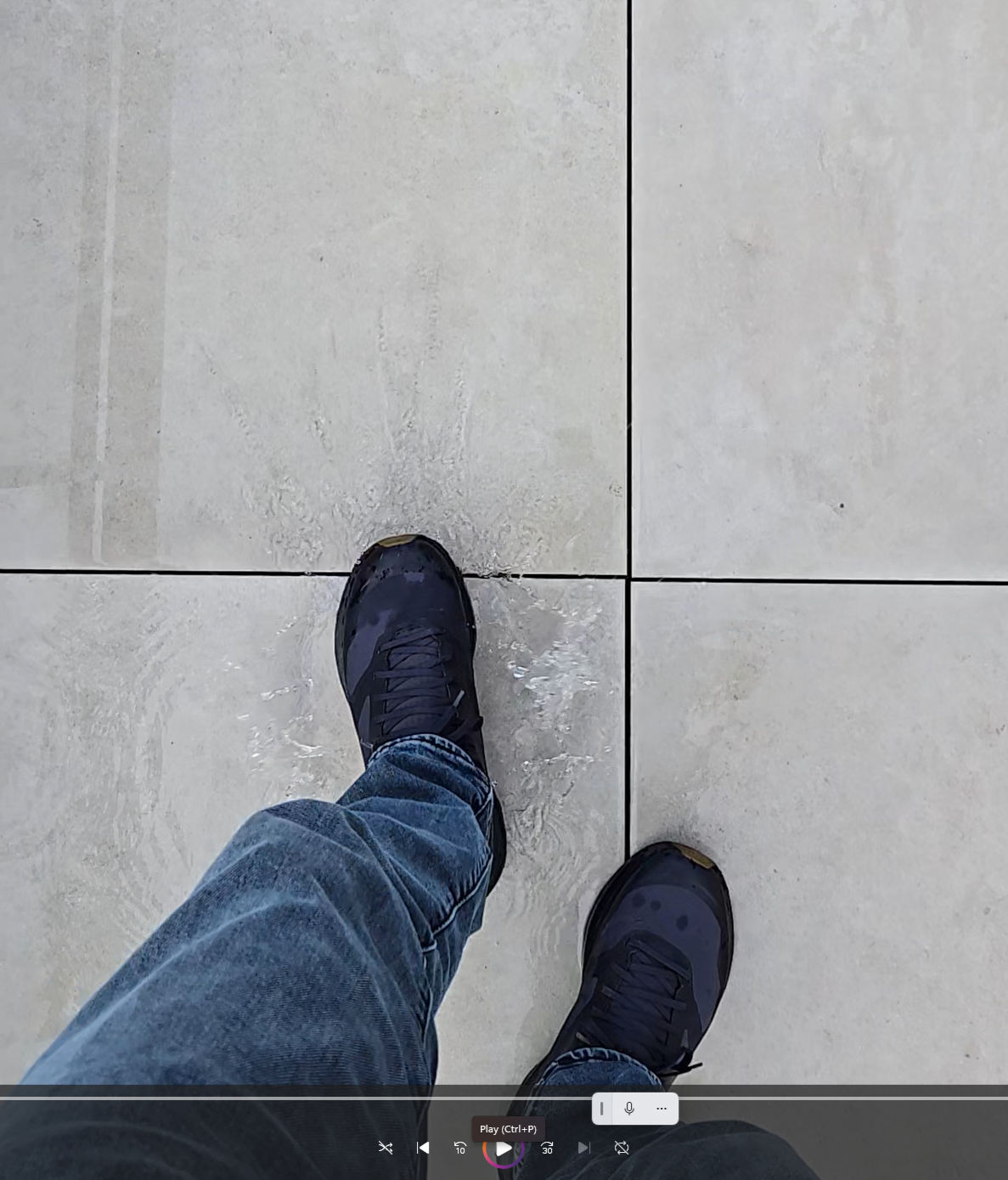
The contractor inspected the balcony paver issue and reported that it was built to code. Fine. Even if that is true, built to code does not mean well designed in terms of actual day-to-day usability. The flat paver stones pool water on top. Had the patio itself been sloped in a more conventional way, like many condo patios are, the water would drain off more effectively. Instead, the design approach here was to keep all the patio stones level on risers while sloping the underside so that water draining off the stones would move properly beneath them. On paper that may sound clever. In real life, it does not solve the practical problem because the flat stones themselves hold a lot of water on top.
The result is that the owner still experiences a patio surface that pools water badly. So even if the hidden drainage concept works below the stones, the lived experience on top of the stones remains poor. The practical consequence is obvious: if we want a patio that drains better in the way most people would expect, we may ultimately have to remove the risers or re-adjust them so the patio surface itself slopes appropriately. In other words, this may become a deficiency that the owner has to fix at personal expense despite the design having been accepted as compliant.
2. Shower doors with large gaps below them
The inspection report identified threshold and sweep-seal concerns at the shower doors. Upon possession, certain related caulking issues were resolved, but the shower doors themselves still have large gaps below them. The builder's position is that this is to code and by design. The real-world result is that a substantial amount of water splashes out during normal use and a puddle forms on the bathroom floor beside the shower after each use. Again, this is another example of a recurring theme on this page: something may be technically acceptable to the builder while still being plainly unsatisfactory in practical daily life.
3. Motion-sensor cupboard lighting that is effectively useless
Every cupboard that has lighting appears to use a motion-sensor style arrangement. In practice, these lights are nearly useless. Once clothes are in the cupboards, the sensors do not work at all. There might as well not be any lighting at all. This is not a dramatic structural defect. It is simply poor design. But poor design matters because enough small poor design choices add up to a disappointing owner experience in a home that should have been better thought through.
4. Air exchange filter area that blows dust into the room
The condo has an air exchange system with a filter area in the laundry space that needs to be cleaned weekly. The problem is that the area is positively pressurized and the filter door does not sit snugly. Dust therefore blows out around the filter area and leaves a visible dust-stained wall around it. This is not the sort of issue most buyers are thinking about when they purchase a new condo. But once you live with it, it becomes one more example of design execution that feels carelessly resolved.
5. Freezing floor strips caused by air intake pipes under the slab
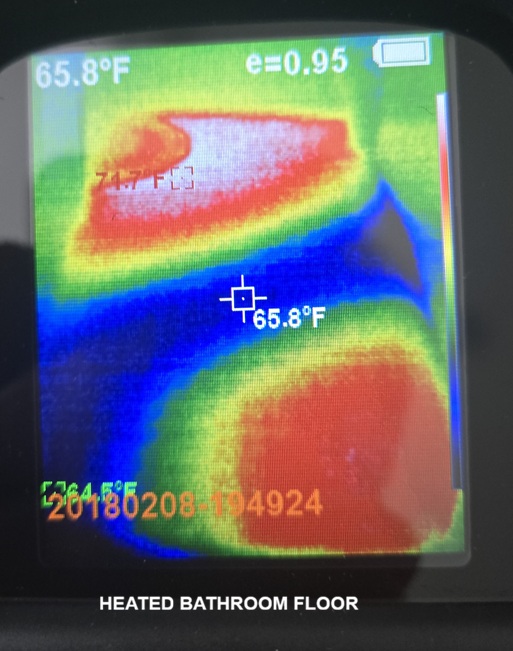
Another deficiency that is apparently to code and not fixable is that there are air intake pipes from other units running through the concrete beneath our floors. The laminate flooring above has no effective insulation layer between the flooring and the concrete. The result throughout winter is that there are broad, extremely cold strips on the floor that can be 10 degrees Celsius or more colder than the surrounding area. You feel it immediately when walking across them.
One of these cold strips runs beneath one of the bathroom floors. The floor is nominally heated, but the cold pipe beneath it completely overpowers the heating element. So the floor remains freezing cold regardless, while we also pay for energy that effectively gets wasted trying to heat an area that cannot overcome the cold source below. Once again, the likely answer from the builder is that the installation complies with code. For the owner, that answer does not change the lived result.
Key Statements from the Written Record
Detailed Deficiency Log: Resolved, Outstanding, and "By Design" Concerns
| Issue | General Status | Owner Experience Summary |
|---|---|---|
| Persistent sewer odor affecting the primary bathroom and bedroom area | Outstanding concern | Repeatedly reported and chased over an extended period, with escalation but no documented lasting resolution in the email record. |
| Balcony paver drainage and surface ponding | By design / to code but poor usability | The underside drainage concept may satisfy code, but the patio surface still pools water badly and may require owner-funded rework for acceptable usability. |
| Patio usable size reduction from what originally appeared to be about 600 sq ft to about 360 sq ft at delivery | Amendment-driven disappointment | Not a repair item, but a major buyer beware issue arising from amendment paperwork and the difference between early expectations and final usable space. |
| Primary en-suite sink leak | Resolved | Resolved upon possession. |
| Kitchen GFCI issue and related electrical concerns | Resolved | Resolved upon possession. |
| Electrical panel cover issue | Resolved | Resolved upon possession. |
| Caulking issues | Resolved | Resolved upon possession, though shower splash issues remain for other reasons. |
| Shower doors with large gaps below | By design / to code but poor usability | Large gaps remain and allow significant water splash-out, resulting in puddling on the bathroom floor after each use. |
| Bedroom 2 closet cabinetry incomplete | Outstanding and repeatedly raised | Raised many times, later said to be scheduled, but no contractor attended and no call was made. |
| Water behind the toilet in the same general area as the odor concern | Reported with uncertain cause | The builder suggested it may be condensation. That may be true, but the observation added to concern around the unresolved toilet-area smell issue. |
| Second bathroom shower handle leak | Resolved promptly | This issue was fixed promptly, showing that timely response was possible when it occurred. |
| Motion-sensor cupboard lighting | Poor design | Technically present, but effectively useless once cupboards are actually being used with clothing inside. |
| Air exchange filter area dust blow-out | Poor design / poor fit | Positive pressure and a poorly fitting filter door cause visible dust discharge and wall staining in the laundry area. |
| Cold floor strips caused by under-slab intake piping | To code but very poor comfort | Wide strips of floor become extremely cold in winter, and one bathroom heated floor is effectively overpowered by the cold pipe beneath it. |
The Pattern That Raises Concern
Issues existed early
Multiple concerns were identified at or before possession, not long after owner use began.
Chasing was required
The record includes direct follow-up messages stating that no reply had been received and asking what the next step was.
Escalation did not necessarily produce resolution
The sewer odor concern appears to move from report, to contractor review, to drawing review, to further escalation, without a clearly documented lasting fix.
"To code" can still mean poor owner experience
The patio drainage concept, shower splash issue, and freezing floor strips all illustrate how code compliance does not automatically equal good design.
Some items were fixed, which is fair to acknowledge
Not everything remained unresolved. Some items were corrected. That makes the unresolved or dismissed issues stand out even more.
Accountability felt uneven
Owners must close and pay in full on time or face serious consequences, while unresolved issues can remain in process with little equivalent practical leverage on the owner side.
Buyer Beware
I am not suggesting that every issue in a new building means the project is a failure. I am saying that buyers should think very carefully about what happens after possession if deficiencies remain, especially where the issues affect daily livability, comfort, or the practical usability of features that influenced the purchase.
In our case, we had to pay 100 percent in full on possession day. Had we not done so, we would have been heavily penalized. There is no similar immediate recourse against the developer when an owner ends up endlessly chasing unresolved issues, when deficiencies are deferred, or when disappointing design choices are defended as acceptable because they are technically to code.
Readers can draw their own conclusions. Mine is straightforward. You need to read amendment paperwork carefully, you need to be realistic about the post-possession power imbalance, and you need to understand that some issues may ultimately become your problem even when they should not have been. Buyer beware.
About This Page
This is a personal owner review page based on documented correspondence and an inspection report relating to suite deficiencies, design concerns, and post-possession follow-up. It is intended to summarize the timeline, the nature of the concerns raised, the distinction between what was fixed and what was not, and why the handling of those concerns caused ongoing concern from the owner side.
It is also intended to help future buyers researching Concert Properties, Drift, North Harbour, condo deficiency handling, and buyer beware issues understand that the most important questions often arise after the sales process is over. The key question is not just what is promised. The key question is what happens when the delivered product is imperfect, the owner has already paid in full, and the remaining issues become a matter of persistence, patience, and leverage.